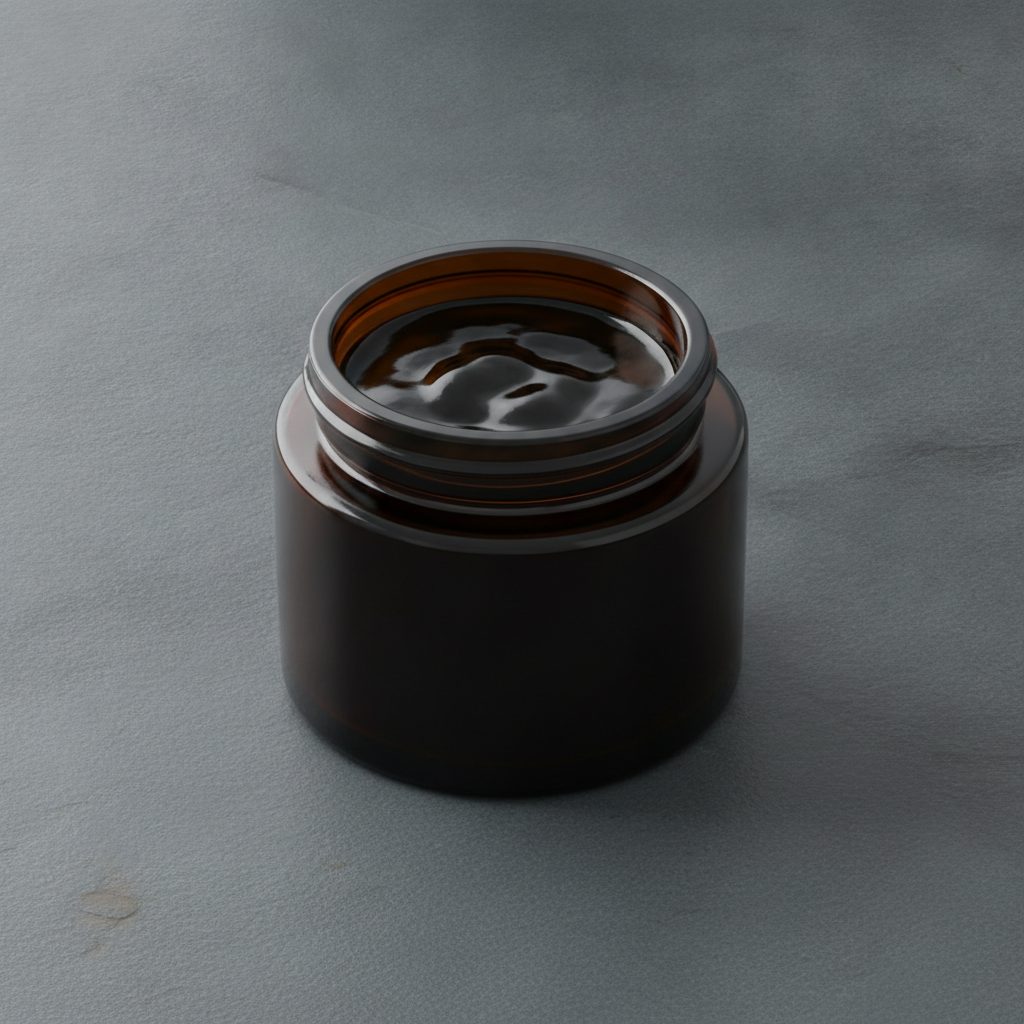
PurBlack (styled Purblack) sells a premium patent-heavy resin marketed as Live Resin, positioned at the expensive end of the shilajit market. The most useful question about any shilajit brand is not the price or the patents but a plain one: does it publish a current, batch-matched third-party lab certificate covering heavy metals? On the evidence available in public, PurBlack does more than most to answer that, and it is one of a small set of products an independent lab has actually tested.
How this assessment was made. Based on the brand’s publicly available lab certificates, disclosures, and independent testing. It is written independently, is not a paid placement, and contains no affiliate links.
Does it publish a lab certificate?
PurBlack states that it commissions third-party testing for heavy metals and microbials, produces in a GMP-registered United States facility, and sells a non-GMO product. It also publishes a purity guide that walks buyers through how to check a resin. That is more transparency than the cheap unbranded resin the category is full of, and it is the right kind of claim to make. The important caveat is one that applies to every brand: a testing statement on a brand website is only fully verifiable when the certificate shown carries a lot number that matches the jar in your hand, run by a named accredited lab. Readers should confirm that the certificate PurBlack shows corresponds to their own batch rather than a representative sample.
PurBlack states it uses third-party testing for heavy metals and microbials, produces in a GMP United States facility, and sells a non-GMO resin, and publishes a purity guide for buyers. [PurBlack purity guide] Moderate evidence
Sourcing and form
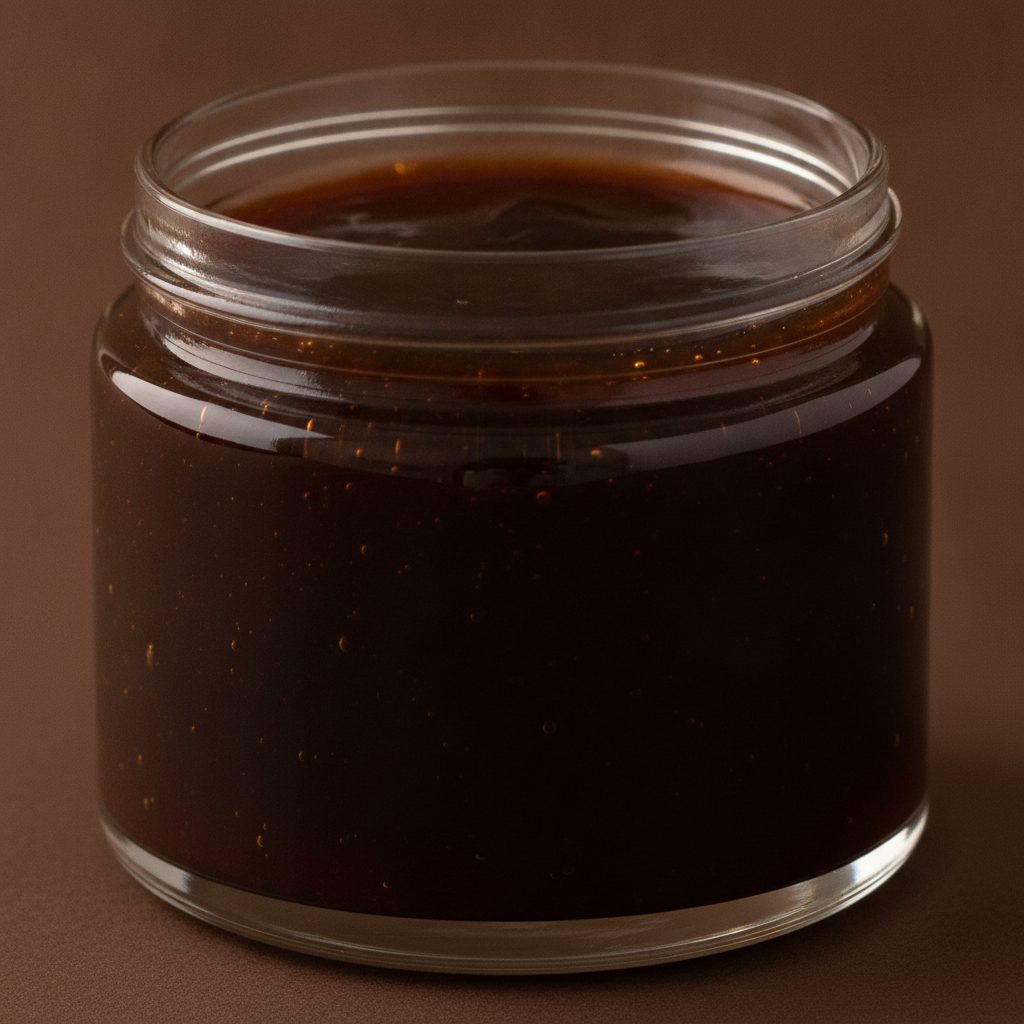
PurBlack is resin only, sold in roughly 15 gram and 30 gram jars under the True Gold label. There is no capsule or gummy version, which sidesteps the two formats independent audits flag as highest risk. Resin is the least processed form and usually the best value per effective dose, though it is the messiest to measure. One point worth flagging for transparency rather than as a criticism: a Cymbiotika product page has carried the title Purblack Pure Mineral Shilajit Live Resin, which raises the possibility that two premium brands share part of a supply chain. This is an open question, not a proven fact, and neither brand publishes its raw material source in a way that settles it.
What independent testing shows
PurBlack Live Resin was one of eight curated shilajit products that ConsumerLab tested in September 2024. That round found lead, cadmium, arsenic and mercury below levels of concern at a single daily dose across the tested set. This matters because contamination in shilajit is real and documented. A 2025 peer-reviewed study detected thallium, a metal more toxic than lead, in several commercial shilajit supplements, and found that packaging carried no composition or heavy-metal information at all. Against that backdrop, being one of the products an independent lab has actually cleared is a meaningful mark in PurBlack’s favour.
PurBlack Live Resin was among eight curated shilajit products independently tested by ConsumerLab in September 2024, a round that found lead, cadmium, arsenic and mercury below levels of concern at one daily dose. [ConsumerLab 2024] Moderate evidence
A peer-reviewed analysis detected thallium, a metal more toxic than lead, in several commercial shilajit supplements, and found their packaging provided no composition or heavy-metal information. [Kamgar 2025] Strong evidence
Two honest limits apply. First, the ConsumerLab set was hand-picked, so a clean result there speaks to those specific products, not to shilajit as a category. Second, the ConsumerLab detail is behind a paywall, so the summary above rests on the published press summary rather than the full data table.
Who it suits and open questions
PurBlack suits a buyer who wants a resin with a testing story and is willing to pay a premium for it. Its public reputation is strong, with high ratings and complaints centred on price and occasional shipping issues rather than safety. The open questions are the ones every shilajit shopper should ask: is the certificate on the site matched to the batch being sold today, and what is the exact raw material origin? Neither is fully resolved in public, so a careful buyer should request a current batch certificate before purchase.
- Strengths: published third-party testing claim, GMP US facility, resin-only, cleared in the ConsumerLab 2024 round.
- Open items: batch-to-jar certificate matching, exact sourcing, and the possible supply overlap with another premium brand.
For how to read any brand’s certificate yourself, see our buying guide. To compare PurBlack against the other brands we have assessed on the same public evidence, see the brand reviews hub.
References
- PurBlack. How to check the purity of shilajit. purblack.com
- ConsumerLab.com. Shilajit supplements tested for heavy metals and fulvic acid, 26 September 2024. consumerlab.com
- Kamgar E, et al. Quantifying thallium in shilajit and its supplements. BMC Chemistry. 2025. PMID 39827344
Leave a Reply