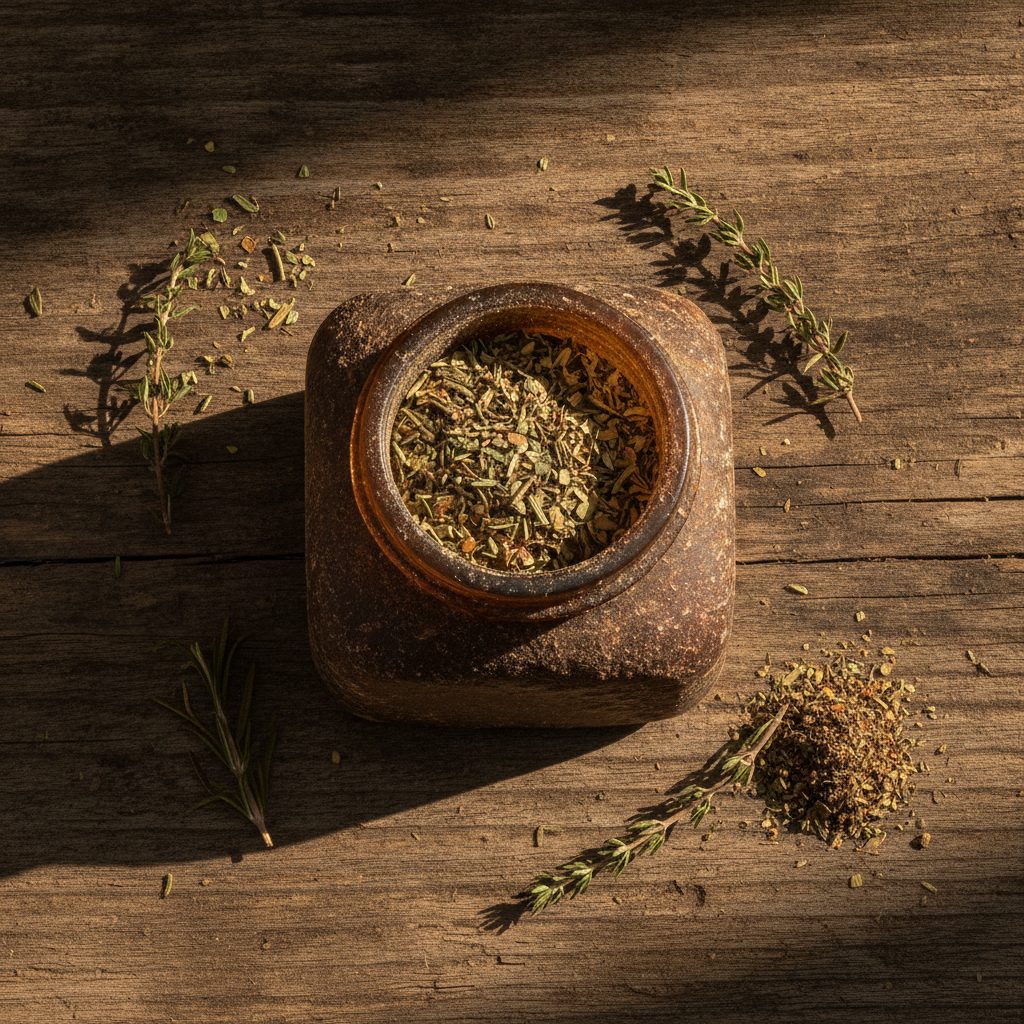
Lotus Blooming Herbs sells a resin called Authentic Shilajit, from an Ayurvedic-practitioner-owned business that describes itself as an early Western importer of pure resin shilajit. The question that decides any shilajit brand is whether it publishes a current, batch-matched third-party lab certificate covering heavy metals. Lotus has a stronger answer here than most, testing at an accredited laboratory and appearing in an independent lab round, though its overall public footprint is thin enough to leave a few things unverified.
How this assessment was made. Based on the brand’s publicly available lab certificates, disclosures, and independent testing. It is written independently, is not a paid placement, and contains no affiliate links.
Does it publish a lab certificate?
Lotus Blooming Herbs states that its shilajit is tested at an A2LA-accredited laboratory operating to the ISO 17025 standard, and that it publishes certificate and heavy-metal data. Accreditation matters. An ISO 17025 lab is the kind of testing body a rigorous certificate should name, so this is a stronger claim than a generic third-party tested statement. The caveat is the standard one for the whole category. A certificate is only fully verifiable when its lot number matches the jar you receive, so a buyer should confirm that the document shown corresponds to their own batch rather than to a past production run.
Lotus Blooming Herbs states its Authentic Shilajit is tested at an A2LA-accredited ISO 17025 laboratory and publishes certificate and heavy-metal data. [Lotus Blooming Herbs product page] Moderate evidence
A credible certificate of analysis should show a batch or lot number matching the jar, ICP-MS heavy-metal results with detection limits, and be produced by an ISO 17025 accredited laboratory. [BSCG] Strong evidence
Sourcing and form
Lotus is resin only, which keeps it clear of the gummy and flavoured-powder formats that independent audits flag as highest risk. The brand describes its material as gold-grade Himalayan resin harvested at high altitude, in the region of 16,000 to 18,000 feet. It is worth being honest that Himalayan works largely as a marketing descriptor across the whole category, and altitude figures generally come from sellers rather than independent verification. That does not make Lotus’s claim false, but origin statements matter far less than a verified certificate, and a buyer should weight the accredited-lab testing far more heavily than the sourcing story.
The label Himalayan functions largely as a marketing term across the shilajit market, and origin and altitude claims are frequently unverifiable without a certificate. [Actizeet origin explainer] Moderate evidence
What independent testing shows
Lotus Blooming Herbs Authentic Shilajit was one of eight curated products in the ConsumerLab September 2024 round, which found lead, cadmium, arsenic and mercury below levels of concern at a single daily dose. Combined with the brand’s own accredited-lab testing claim, that gives Lotus one of the better-documented safety cases in the set. The context, again, is a category with a real contamination problem. A 2025 peer-reviewed study detected thallium, more toxic than lead, in several commercial shilajit supplements, and independent audits of cheap and unbranded resin repeatedly find adulteration and heavy-metal contamination. Being independently cleared is a meaningful distinction against that background.
Lotus Blooming Herbs Authentic Shilajit was among eight curated products independently tested by ConsumerLab in September 2024, a round that found heavy metals below levels of concern at one daily dose. [ConsumerLab 2024] Moderate evidence
A peer-reviewed analysis detected thallium, a metal more toxic than lead, in several commercial shilajit supplements. [Kamgar 2025] Strong evidence
The honest limits are the same as for the others. The ConsumerLab set was curated rather than random, so a clean result speaks to these products and not the whole category, and the detailed figures are paywalled, so the summary rests on the published press summary.
Who it suits and open questions
Lotus suits a buyer who wants a resin with an accredited-lab testing story from a smaller, practitioner-led brand. The main honest caveat is footprint rather than safety. Its public review base is thin, so there is less independent reputation signal than for the larger brands, though what exists shows no safety complaints. As with every brand here, the open question is whether the certificate on display matches the current batch, so a buyer should request the batch-specific document before purchase.
- Strengths: resin-only, ISO 17025 accredited-lab testing claim, cleared in the ConsumerLab 2024 round.
- Open items: thin public review footprint, sourcing claims that rest on the seller, and batch-to-jar certificate matching.
To learn how to read a certificate before buying, see our buying guide. To compare Lotus with the other brands assessed on the same public evidence, see the brand reviews hub.

References
- Lotus Blooming Herbs. Authentic Shilajit. lotusbloomingherbs.com
- ConsumerLab.com. Shilajit supplements tested, 26 September 2024. consumerlab.com
- BSCG. Shilajit supplement safety, testing and compliance guide. bscg.org
- Kamgar E, et al. Quantifying thallium in shilajit and its supplements. BMC Chemistry. 2025. PMID 39827344
- Actizeet. Is all shilajit from the Himalayas? actizeet.in
Leave a Reply