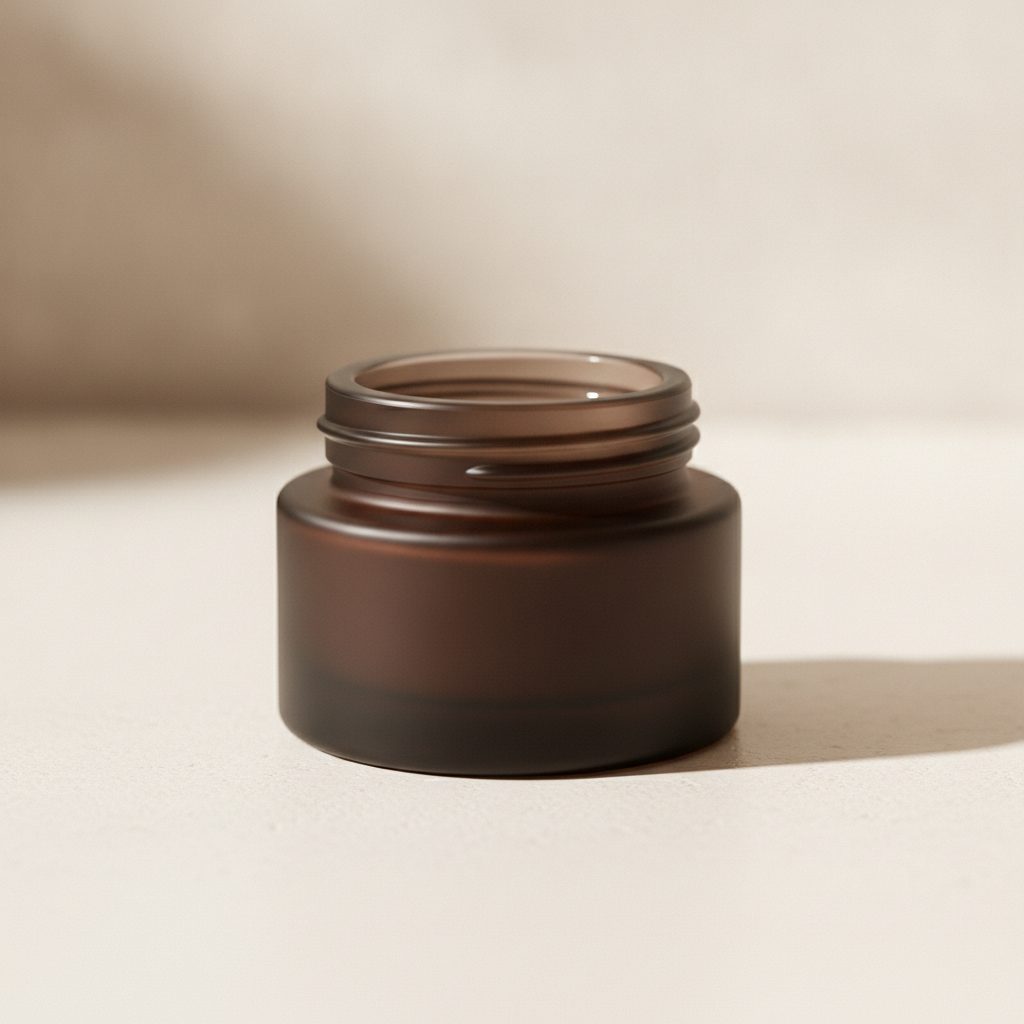
Cymbiotika is a mainstream direct-to-consumer wellness brand, and its shilajit resin, marketed as Black Gold Live Resin, is one of its flagship products. The headline question for any shilajit brand is whether it publishes a current, batch-matched third-party lab certificate covering heavy metals. Cymbiotika states its product is third-party tested and it was included in an independent lab round, which puts it ahead of the cheap end of the market. On batch-level certificate visibility, though, it is less transparent than the strongest brands in the category.
How this assessment was made. Based on the brand’s publicly available lab certificates, disclosures, and independent testing. It is written independently, is not a paid placement, and contains no affiliate links.
Does it publish a lab certificate?
Cymbiotika states that its shilajit is third-party tested, made in the United States, and non-GMO. That is the correct claim to make, but the public evidence for it is thinner than for the leaders. Batch-level certificate visibility is less prominent than at brands that post a lot-numbered document on the product page for each production run. A general statement that a product is third-party tested is a promise; a batch-matched certificate you can check against your jar is proof. On current public information, Cymbiotika offers the former more clearly than the latter, so a careful buyer should request the certificate for their specific batch rather than rely on the site’s general testing language.
For every commercial shilajit supplement examined in a 2025 study, the packaging provided no information on chemical composition or heavy-metal content, which is why an independent batch certificate matters more than a general testing claim. [Kamgar 2025] Strong evidence
Sourcing and form
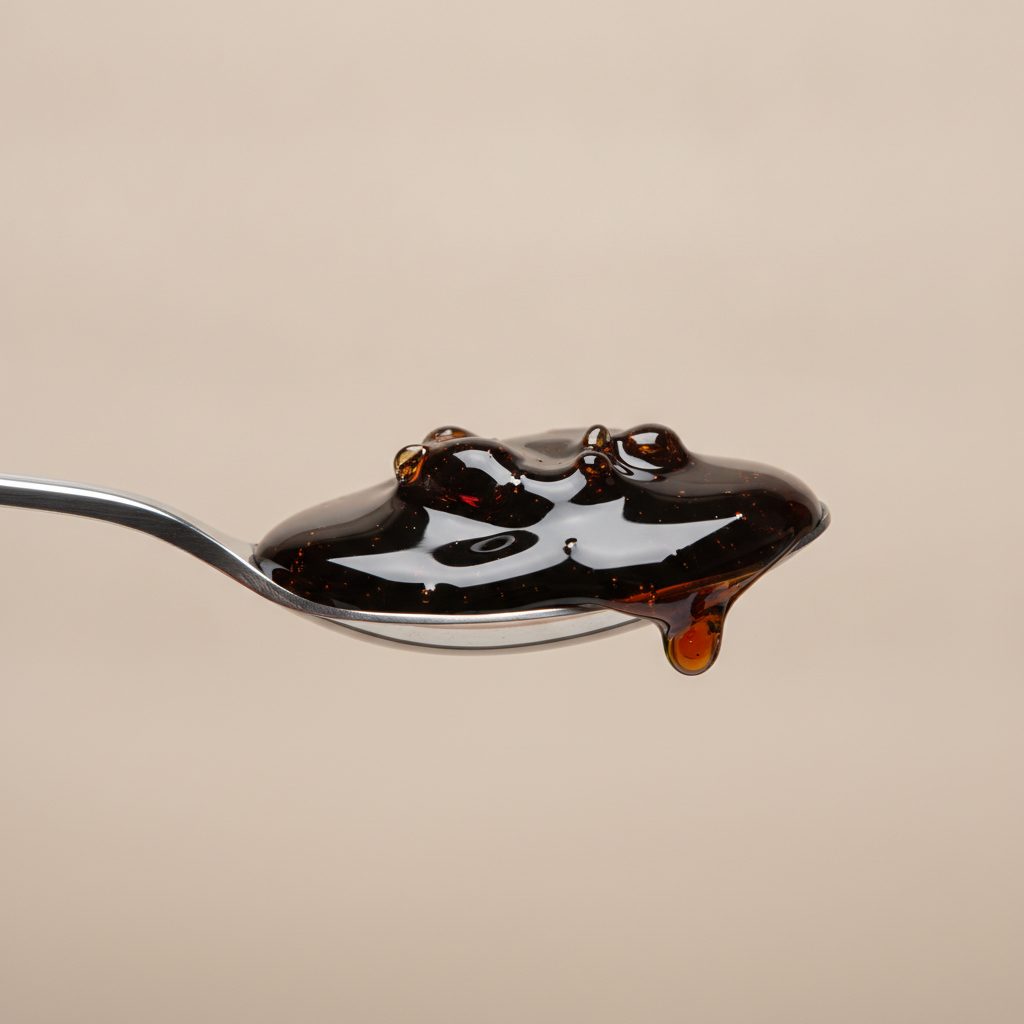
Cymbiotika’s shilajit is sold as a resin, in a 15 gram jar, with a liquid complex offered in packets. Resin is the least-processed format and avoids the gummy and flavoured-powder formats that independent audits flag as highest risk, which is a point in its favour. One item worth noting for transparency: a Cymbiotika product page has carried the title Purblack Pure Mineral Shilajit Live Resin, which suggests a possible shared supply chain with another premium resin brand. This is an unconfirmed observation rather than an established fact, and neither brand publishes raw material origin in enough detail to resolve it. Cymbiotika does not publish region, altitude, or extraction method in the way the most sourcing-transparent brands do.
What independent testing shows
Cymbiotika was one of eight curated products in the ConsumerLab September 2024 round, which found lead, cadmium, arsenic and mercury below levels of concern at a single daily dose. That is a genuine positive and the strongest external data point in the brand’s favour. The same report, however, flagged very high fulvic-acid amounts in some products. High fulvic acid is a formulation and labelling matter rather than a contamination one, but it underlines a wider finding worth keeping in mind: ConsumerLab reported that fulvic-acid content across the market varied by a factor of many thousands between products, so a fulvic-acid claim on a label means little without a stated percentage and test method.
Cymbiotika was among eight curated shilajit products independently tested by ConsumerLab in September 2024, a round that found lead, cadmium, arsenic and mercury below levels of concern at one daily dose. [ConsumerLab 2024] Moderate evidence
ConsumerLab found fulvic-acid content across shilajit products varied roughly 32,000 percent between products, so a fulvic-acid claim is meaningless without a stated percentage and test method. [ConsumerLab 2024 via Examine] Strong evidence
The usual limits apply. The ConsumerLab set was curated rather than random, so a clean result speaks to these products and not the category, and the underlying figures are paywalled, so the summary above rests on the published press summary.
Who it suits and open questions
Cymbiotika suits a buyer who wants a well-known brand with a clean independent test result and does not mind paying a premium for it. Its reputation carries no heavy-metal or safety flags, and the main recurring criticism is price. The open questions are about disclosure rather than safety: batch-level certificates are less visible than at the leaders, sourcing detail is limited, and the possible supply overlap with another brand is unresolved. A buyer who wants to verify their own jar should ask Cymbiotika directly for the batch-matched certificate.
- Strengths: resin-only, established brand with no safety flags, cleared in the ConsumerLab 2024 round.
- Open items: batch-level certificate visibility, limited sourcing disclosure, and a possible unconfirmed supply overlap with another premium resin brand.
For a plain-English walkthrough of reading a certificate before you buy, see our buying guide. To compare Cymbiotika with the other brands assessed on the same public evidence, see the brand reviews hub.
References
- ConsumerLab.com. Shilajit supplements tested for heavy metals and fulvic acid, 26 September 2024. consumerlab.com
- Examine.com. Shilajit overview. examine.com
- Kamgar E, et al. Quantifying thallium in shilajit and its supplements. BMC Chemistry. 2025. PMID 39827344
Leave a Reply