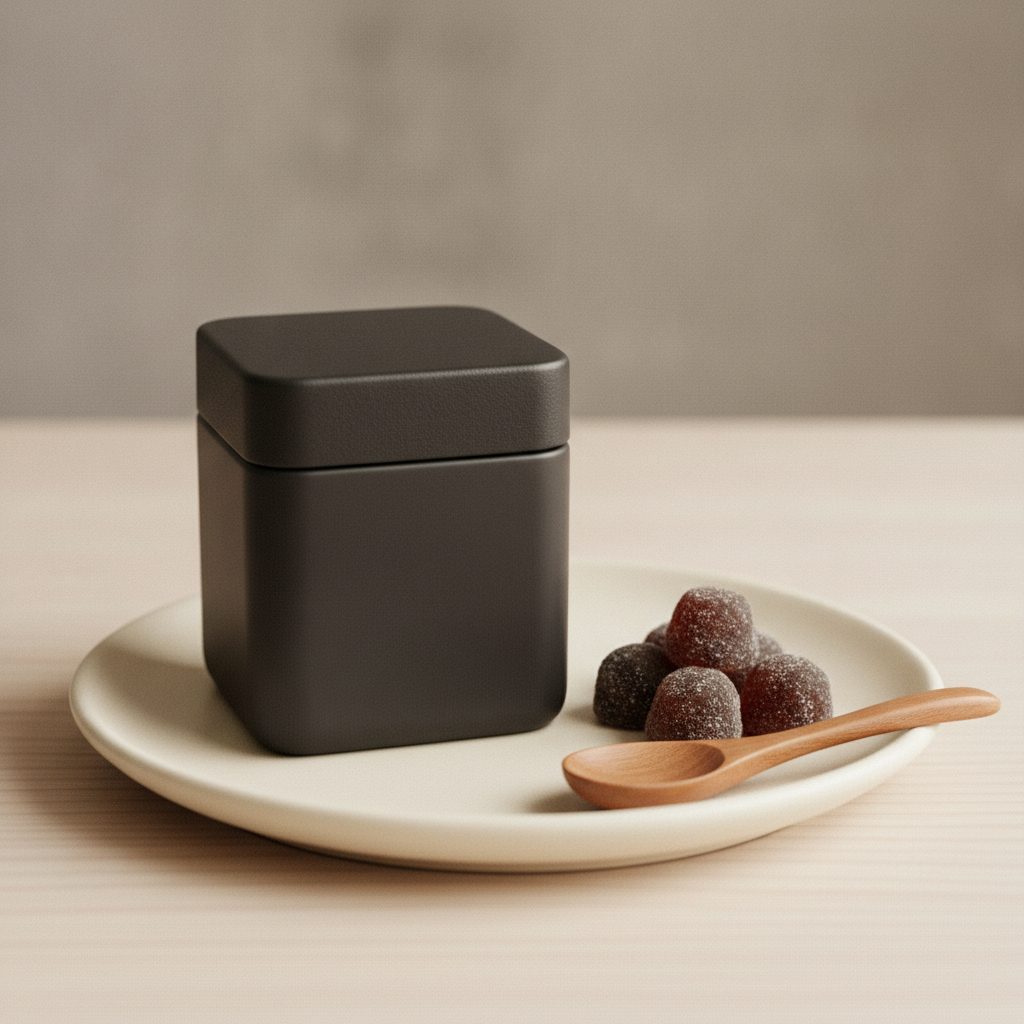
BetterAlt is a direct-to-consumer shilajit brand that sells an unusually wide range of formats: a Himalayan resin marketed as Gold+, capsules blended with other herbs, gummies, honey sticks, energy sticks, and a strawberry-flavoured honey stick aimed at women. The single most important question for any shilajit brand is whether it publishes a current, batch-matched third-party lab certificate covering heavy metals, including thallium. On the public evidence available, BetterAlt states that its products are third-party tested but does not appear to publish a downloadable, batch-matched certificate a buyer can check against the jar in front of them. That places its transparency below the strongest brands in the category, and it is the first thing a careful buyer should press the company on.
How this assessment was made. Based on the brand’s publicly available lab certificates, disclosures, and independent testing. Written independently, not a paid placement, and contains no affiliate links.
Does it publish a lab certificate?
BetterAlt’s marketing says its shilajit is third-party tested for purity and safety. That is the correct claim to make, but a general statement is a promise, not proof. Across the brand’s public pages and the independent write-ups that discuss it, no current lot-numbered Certificate of Analysis surfaced: the kind of document that shows numeric heavy-metal results for lead, arsenic, cadmium and mercury, ideally with thallium, each with a detection limit, an accredited laboratory named, and a test date, all tied to a batch number that matches the product on sale. Until such a document is published and can be matched to the jar, the third-party testing claim cannot be independently verified. This matters more for shilajit than for most supplements, because the raw material naturally carries heavy metals and only proper purification and testing confirm a finished product is within safe limits.
A 2025 peer-reviewed analysis found that for every commercial shilajit supplement examined, the packaging provided no information on chemical composition or heavy-metal content, and some supplements contained more thallium than the raw material, which is why an independent batch certificate matters more than a general testing claim. [Kamgar 2025] Strong evidence
What the brand claims
BetterAlt describes its shilajit as sourced from high-altitude Himalayan regions, containing 85 or more trace minerals, and holding more than 75 per cent fulvic acid. It markets the product as 100 per cent Ayurvedic and plant-based. Two of these figures deserve a careful eye. A fulvic-acid percentage above 75 is high, and it means little without a named test method and a certificate to back it, because independent testing has shown fulvic-acid content on the market varies enormously between products and both over-labelling and under-labelling occur. The 85-minerals figure is a common industry line that is rarely tied to a published analysis.
Independent testing found fulvic-acid content across shilajit products varied by a factor of many thousands between products, from single-digit milligrams to over two thousand milligrams per serving, so a fulvic-acid figure on a label is meaningless without a stated percentage and test method. [ConsumerLab 2024 via Examine] Strong evidence
The breadth of BetterAlt’s range is worth understanding before buying. Its capsule formulas combine shilajit extract with other actives such as ashwagandha, tongkat ali and pine bark extract. That is a legitimate way to build a supplement, but it has a consequence: the amount of pure shilajit per capsule is smaller than in a resin, and any effect a user notices may come from the adaptogen blend rather than shilajit alone. The gummies, honey sticks and energy sticks are flavoured formats, which means added sugar and the sweetness that independent buying guides treat as a red flag for shilajit, since authentic resin is bitter and earthy rather than sweet. None of this makes the products unsafe, but it does mean the label headline of 75 per cent fulvic acid describes the raw shilajit ingredient, not necessarily what reaches the user in a single gummy or honey stick.
Sourcing disclosure is another area where the marketing runs ahead of the evidence. BetterAlt describes high-altitude Himalayan origin, but Himalayan functions largely as a marketing term across the whole category, and origin alone certifies nothing without a certificate and a stated region, altitude and extraction method that a buyer can check. BetterAlt does not publish that level of sourcing detail, so the claim sits alongside the fulvic-acid figure as something asserted rather than shown. The women-focused strawberry honey stick, marketed as SHE-lajit, is a positioning choice rather than a different or better grade of shilajit, and it carries the same open questions as the rest of the range. None of this is unusual for a fast-moving supplement brand, but it is the gap between a good marketing story and a verifiable one, and closing it would take a single published document.
What independent testing and users show
No product-specific recall, FDA warning letter or published heavy-metal failure for BetterAlt surfaced in this research, and no independent laboratory round such as the ConsumerLab 2024 panel included the brand. The absence of a bad result is not the same as a clean result; it simply means there is no independent data either way, which returns the question to the missing batch certificate. What does exist is user sentiment, and it is mixed. Secondary summaries of the brand’s Trustpilot profile report a score in the region of 3.3 out of 5, with recurring complaints about orders that did not arrive, refunds being refused, and a stated no-refund policy. A minority of reviewers go further and allege the product is not real shilajit, though such claims are not laboratory-verified and should be read as user opinion rather than proof.
On Amazon the picture is more favourable, with an overall rating around 4 out of 5 built largely from five-star reviews, alongside a steady stream of complaints about a bitter, earthy or dirt-like taste and results that some found subtle rather than dramatic. The taste complaint is actually a point in the resin’s favour, since genuine shilajit is not meant to be pleasant. The wider category context is the real lesson here. An analysis of 50 shilajit gummy brands found that 38 per cent misstated their shilajit content and that most had significant transparency or accuracy problems on their labels, which is exactly why a brand selling several flavoured formats should be judged on the certificate it publishes, not on its marketing copy.
An analysis of 50 shilajit gummy brands found that 38 per cent misstated the amount of shilajit, only two of the fifty used a clinically studied standardized shilajit, and more than two-thirds had major transparency or accuracy problems with their labels or product pages. [CHOQ 50-brand analysis] Moderate evidence
Who it suits and open questions
BetterAlt suits a buyer who wants convenience and choice, and who is comfortable trying flavoured formats that most enthusiasts would not treat as their primary source of shilajit. The resin is the format most likely to deliver a meaningful dose per serving, and it is the one to ask about a certificate for. The open questions are about disclosure and fulfilment rather than any proven safety problem. A buyer would want the brand to publish a current, lot-numbered certificate that lists heavy metals including thallium with numeric results and a named accredited lab, to state the test method behind its 75 per cent fulvic-acid claim, and to resolve the pattern of delivery and refund complaints that colours its Trustpilot profile. Anyone buying in the meantime should email the company and ask for the certificate that matches their specific batch before taking the product, and treat a refusal or a vague reply as an answer in itself.
- Strengths: wide format choice, a resin option, and no independently documented heavy-metal failure on record.
- Open items: no public batch-matched certificate found, an unverified fulvic-acid figure, flavoured formats that add sugar, and recurring fulfilment and refund complaints.
The honest bottom line is that BetterAlt currently gives too little public certificate information to grade its purity with confidence, so it lands in the wait-and-verify tier rather than the recommended one. For a plain-English walkthrough of reading a certificate before you buy, see the buying guide. To compare BetterAlt with brands assessed on the same public evidence, see the brand reviews hub, and for a contrast with a brand that does publish a lot-numbered certificate for every batch, read the PrimaVie assessment.
References
- Kamgar E, et al. Quantifying thallium in shilajit and its supplements. BMC Chemistry. 2025. PMID 39827344
- ConsumerLab.com. Shilajit supplements tested for heavy metals and fulvic acid, 26 September 2024. consumerlab.com
- Examine.com. Shilajit overview. examine.com
- CHOQ. Shilajit gummies review: an analysis of 50 different brands. choq.com
- Trustpilot. Reviews of betteralts.com (secondary summary; verify live score before relying on it). trustpilot.com
Leave a Reply